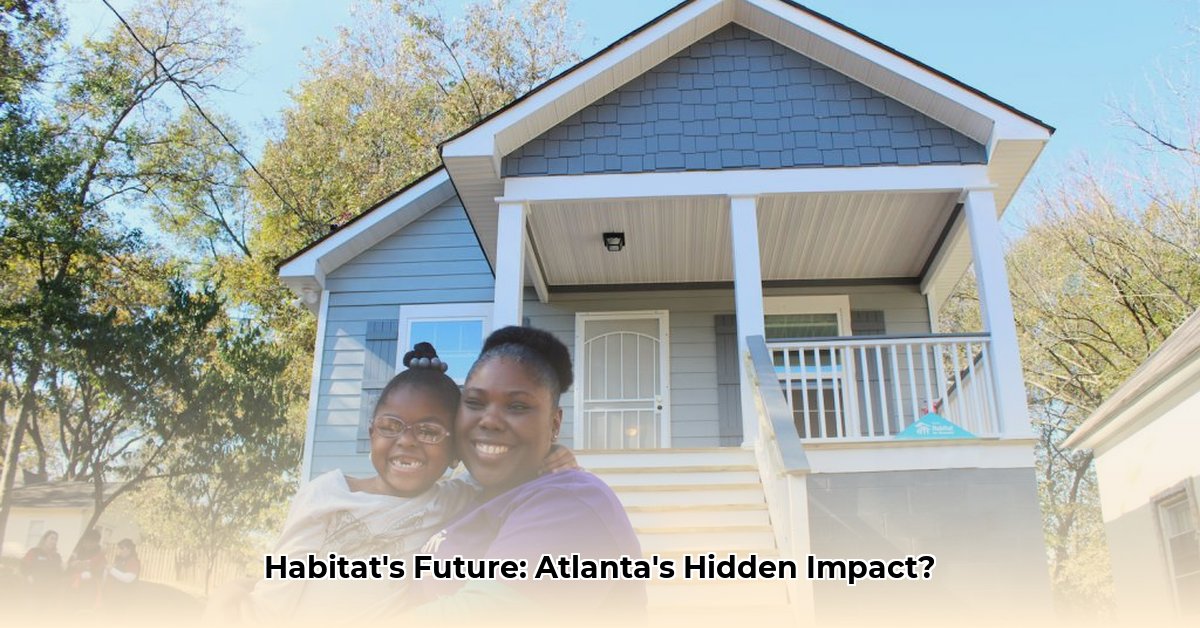
824 Memorial Dr SE Atlanta GA 30316: Habitat's Impact and the Road Ahead
Habitat for Humanity Atlanta (HFH Atlanta), based at 824 Memorial Dr SE, Atlanta, GA 30316, is significantly impacting the city's affordable housing crisis. But their work extends beyond simply building homes; they foster community and empower families. This article examines their operations, challenges, and opportunities for future growth. How can they sustain their impactful work and expand their reach in a rapidly growing city?
Habitat for Humanity Atlanta: More Than Just Houses
HFH Atlanta operates on a three-pronged approach: home construction, ReStore operations (thrift stores selling donated building materials and furniture), and community engagement. The sheer volume of applications underscores the critical need for their services. They’ve demonstrably improved the lives of countless families, but sustaining this impact requires careful consideration of both challenges and opportunities.
The ReStores represent a unique, sustainable funding model. Profit from these stores directly supports home construction; this circular economy model is highly effective. However, the potential for growth, particularly in brand awareness and expansion, remains largely untapped.
The Ups and Downs: Challenges Facing HFH Atlanta
HFH Atlanta's reliance on volunteers, while fostering strong community spirit, presents logistical challenges. Fluctuations in volunteer numbers can impact project timelines, requiring robust management and contingency planning. How can they ensure consistent volunteer availability while maintaining the positive aspects of volunteer engagement?
The geographically dispersed ReStore locations (currently two in Atlanta and one in South Fulton) add operational complexity. Efficient inventory management, deliveries, and communication across multiple locations demand investment in improved systems and technology. What strategies can improve coordination and operational efficiency?
A critical challenge is the lack of comprehensive data collection. Without precise data on home construction, ReStore revenue, and volunteer hours, assessing the true impact and planning for the future are extremely difficult. How can HFH Atlanta implement a thorough, data-driven approach to inform future decision making?
824 Memorial Dr SE Atlanta GA 30316 and the Path Forward: Opportunities for Growth
HFH Atlanta's future success depends largely on improved data collection. Tracking key metrics—homes built, ReStore sales, and volunteer hours—is crucial for understanding efficiency and demonstrating impact to potential funders. This investment will facilitate more effective strategic planning.
Strengthening communication with homeowners, especially clarifying application processes and repayment plans, is essential for building trust and ensuring a smooth homeownership journey. How can they make this information clearer and more accessible?
Improving volunteer engagement through structured programs, clear roles, and recognition can enhance retention and efficiency. What strategies would effectively attract and retain volunteers?
Funding the Mission: Securing a Sustainable Future
A well-structured fundraising strategy—involving targeted campaigns, online donation platforms, corporate sponsorships, and grant applications—is critical. How can AHFH diversify funding sources to ensure long-term financial stability?
Strategic partnerships—with local businesses, organizations, and government agencies—can unlock additional resources, including land donations, building materials, and skilled labor. How can they strengthen these partnerships for mutual benefit?
Actionable Steps: A Collaborative Effort
Success hinges on collaborative effort. Here's how different stakeholders can contribute:
- HFH Atlanta Staff: Implement robust data tracking and analyze operational efficiency (short-term). Develop a comprehensive strategic plan, invest in technology and training, and optimize resource allocation (long-term).
- Homeowners: Engage in clear and accessible communications about program requirements (short-term). Participate actively in community-building initiatives and financial literacy programs (long-term).
- Volunteers: Utilize a user-friendly volunteer management system (short-term). Participate in training programs and leadership development opportunities (long-term).
- Donors: Utilize online donation platforms and participate in targeted fundraising events (short-term). Engage in long-term planned giving options such as endowments (long-term).
- Community Partners: Foster increased collaboration and referrals (short-term). Explore joint marketing and resource sharing initiatives (long-term).
The future of HFH Atlanta, and its impact on the community, depends on proactive measures. By prioritizing data-driven decision-making, strengthening communication, building strategic partnerships, and fostering continuous improvement, HFH Atlanta can continue to build a brighter future for Atlanta families.